
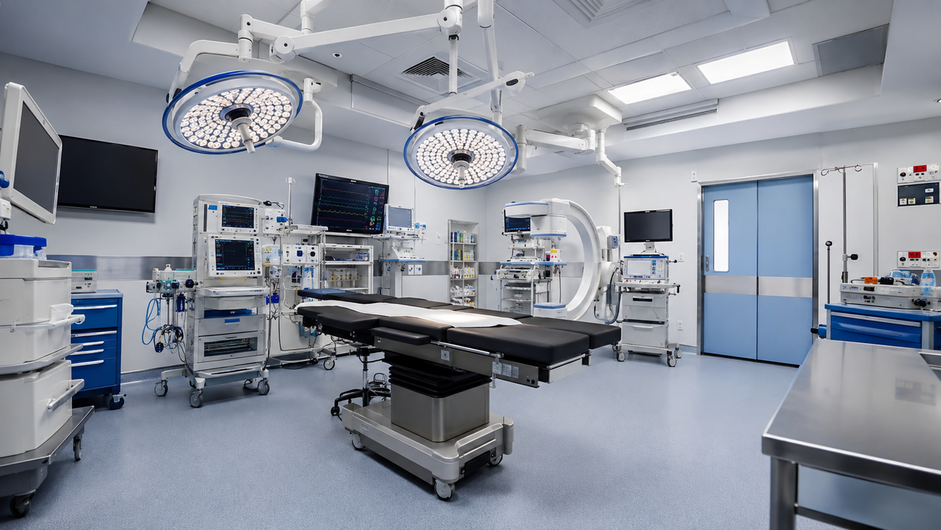
Whether your pet is scheduled for a routine spay or neuter, dental procedure, mass removal, or another surgery, it is completely normal to have questions about anesthesia.
Anesthesia always carries some degree of risk, but modern veterinary anesthesia is much more than simply giving a medication and performing a procedure. The American Animal Hospital Association (AAHA) describes anesthesia as a continuum of care that begins with pre-anesthetic planning and continues through recovery and the return home. Our goal is to make your pet’s experience as safe, comfortable, and low-stress as possible while keeping you informed.
Before Your Pet’s Procedure
Good anesthesia begins before your pet ever enters the operating room. Please follow the specific instructions provided by our veterinary team. The night before, typically no food is allowed after midnight unless instructed otherwise, though a small amount of water the morning of the procedure is generally okay.
Before anesthesia, we review important information including whether your pet has eaten, current medications, recent illness signs, and previous anesthetic experiences. We highly recommend pre-anesthetic bloodwork, which provides valuable information about internal organ function (kidneys, liver) and blood cells that can help our veterinarian identify concerns affecting the anesthetic plan.
Anesthesia & Monitoring
Every anesthesia and sedation procedure includes measures designed to support your pet. We secure IV access for direct medication routes and fluid therapy, administer nausea support (like maropitant), and implement comprehensive pain management before, during, and after surgery.
One of the most important parts of anesthesia is continuous patient monitoring. Our team closely monitors your pet’s heart rate, respiratory rate, body temperature, and blood pressure from the time anesthesia begins through recovery. We don’t rush recovery to meet the clock; we wait until your pet is awake, comfortable, and safely able to walk before arranging a discharge time.
Dental Anesthesia & Care Opportunities
A comprehensive dental procedure requires examination beneath the gumline, dental radiographs, and treatment of diseased teeth. A pet cannot safely remain perfectly still for this while awake, making general anesthesia essential for thorough veterinary dental care and airway protection.
If your pet is already safely anesthetized, it may be an excellent opportunity to complete certain preventive or grooming services that could otherwise be stressful while awake. Optional add-on services include microchip identification, complimentary or advanced nail trims, mat removals, ear cleanings, and anal gland expressions.