
Dental disease is one of the most common health conditions affecting dogs and cats, with most pets showing signs by three years of age. Unfortunately, many pets don’t show obvious signs of discomfort until the disease has become advanced.
Routine dental care at home, combined with regular veterinary examinations and professional cleanings when needed, can help prevent pain, infection, tooth loss, and more serious health problems. At Pet Wellness Veterinary Center, we believe dental care is about much more than fresh breath—it supports your pet’s overall health and comfort.
Brushing Your Pet’s Teeth & Dental Products
Daily tooth brushing remains the most effective way to reduce plaque before it hardens into tartar. Just like people, pets develop plaque every day. Using a soft-bristled pet toothbrush and pet-safe toothpaste can help prevent periodontal disease and painful infections.
For extra support, dental chews, water additives, and oral rinses can be an excellent addition. When selecting products, we recommend choosing those evaluated by the Veterinary Oral Health Council (VOHC) for their ability to reduce plaque and tartar accumulation.
Professional Dental Cleanings
Even with excellent home care, many pets eventually develop tartar beneath the gumline where brushing cannot reach. Professional dental cleanings allow us to thoroughly evaluate your pet’s oral health while safely removing plaque and tartar above and below the gums.
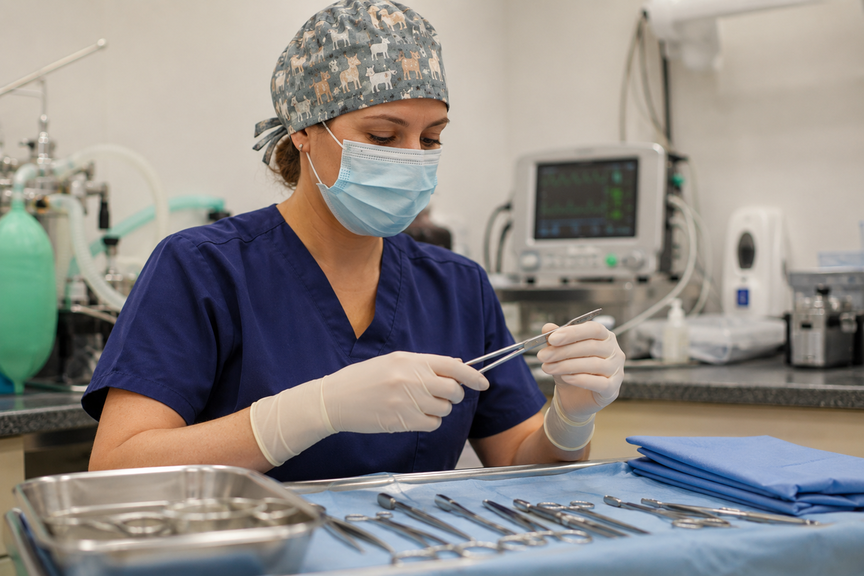
Our professional dental procedures include a comprehensive oral examination, ultrasonic scaling, tooth polishing, full-mouth dental radiographs, evaluation for diseased teeth, and pain management. General anesthesia is required to allow these procedures to be performed safely, comfortably, and thoroughly.
Periodontal Disease
Periodontal disease develops when plaque and tartar accumulate around the teeth, leading to inflammation of the gums and destruction of the tissues that support each tooth.
Signs of dental disease may include bad breath, yellow or brown tartar, red or bleeding gums, difficulty chewing, dropping food while eating, pawing at the mouth, or reduced interest in toys. Because pets hide oral pain well, regular veterinary examinations are critical for early detection.