
Many important health conditions begin inside the body long before we can see obvious signs on the outside. The kidneys, liver, pancreas, endocrine system, and other organs work together to regulate hydration, remove waste, process nutrients, maintain blood sugar, produce hormones, and keep the body functioning normally.
Internal organ and metabolic diseases can occur at any age, but many become more common as pets get older. Some develop gradually and may cause only subtle changes at first. This is one reason routine veterinary examinations, bloodwork, and urine testing can be so valuable—sometimes laboratory changes are detected before a pet appears noticeably ill.
Common Internal Conditions
- Kidney Disease: Chronic kidney disease (CKD) occurs when kidney function progressively declines. Early disease can be difficult to recognize because pets—particularly cats—may compensate remarkably well before obvious symptoms develop.
- Liver & Gallbladder Disease: The liver plays important roles in metabolism, digestion, and detoxification. Liver abnormalities may be discovered on routine bloodwork before a pet appears ill, while other conditions cause noticeable symptoms like jaundice (yellowing of eyes/gums).
- Diabetes Mellitus: Occurs when the body cannot appropriately regulate blood glucose. Classic signs include drinking more, urinating more, increased appetite, and weight loss despite eating.
- Endocrine Conditions: Examples include Cushing’s disease, hypothyroidism, and hyperthyroidism. Symptoms can overlap significantly with other internal diseases, making diagnostic testing vital.
Diagnosis & Monitoring
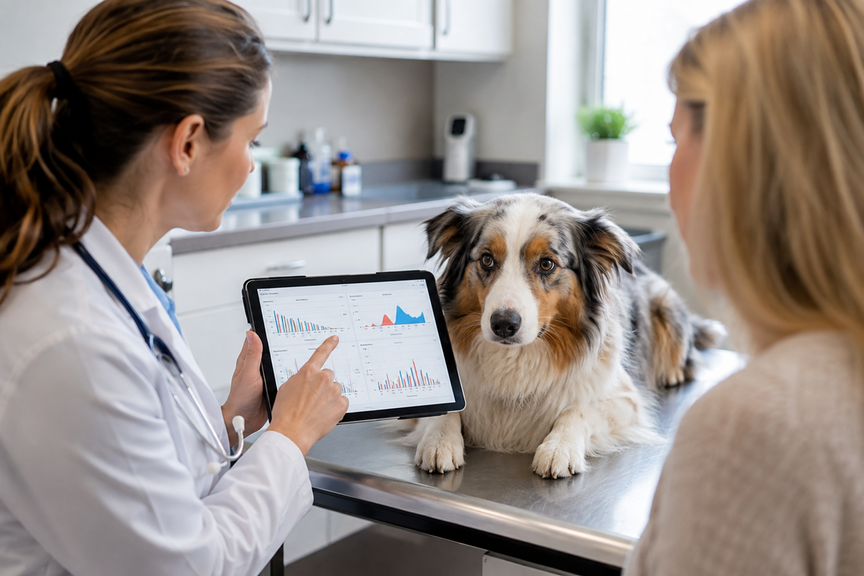
There is rarely one test that tells us everything. Our veterinarians select diagnostic testing based on your pet’s age, history, symptoms, physical examination, and previous laboratory results. Testing may include bloodwork (CBC and chemistry), urinalysis, specialized hormone tests, blood pressure checks, and digital imaging.
Routine screening matters because pets don’t have to look sick to have something changing internally. Establishing normal baseline values while your pet is healthy gives your veterinarian something valuable to compare with future results.