
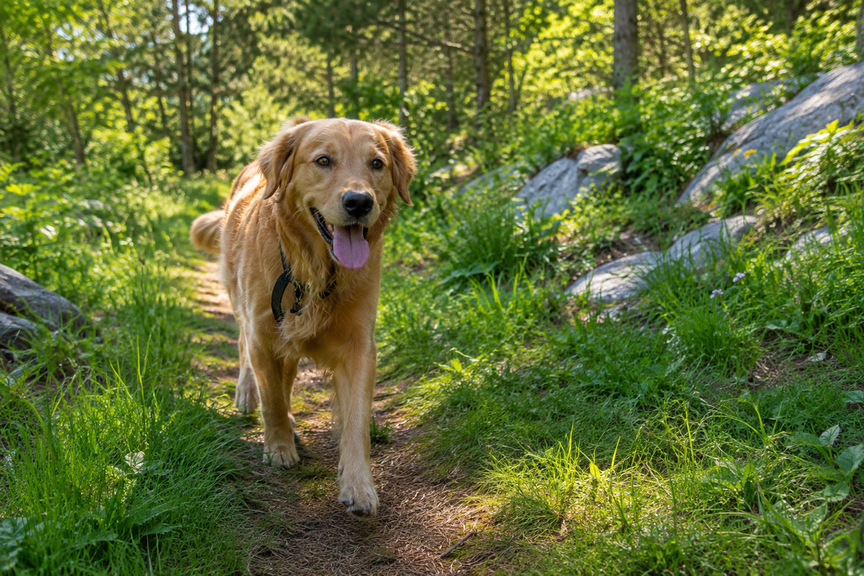
Lyme disease is caused by the bacterium Borrelia burgdorferi, which is transmitted through the bite of infected black-legged (deer) ticks. While not every tick carries Lyme disease, infected ticks are found throughout many parts of the United States, including Kentucky. Dogs that enjoy hiking, wooded trails, farms, parks, or even suburban backyards may be exposed to ticks during everyday activities.
Vaccination is not a substitute for year-round flea and tick prevention, but it can provide valuable additional protection for dogs with a higher risk of exposure. At Pet Wellness Veterinary Center, we evaluate your dog’s lifestyle, environment, and travel history to determine whether Lyme vaccination should be included in their preventive care plan.
Which Dogs Benefit Most?
Our veterinarian may recommend Lyme vaccination for dogs that:
- Hike or camp frequently
- Live on farms or rural properties
- Spend time in wooded or grassy areas
- Are exposed to deer or other wildlife
- Participate in hunting, field work, or outdoor dog sports
- Travel to regions where Lyme disease is common
Frequently Asked Questions
- Does my dog still need flea and tick prevention if they’re vaccinated? Yes. The Lyme vaccine protects only against Lyme disease and does not prevent tick bites or protect against other tick-borne diseases. Year-round flea and tick prevention remains essential.
- Is every dog a candidate for the Lyme vaccine? Not necessarily. Because Lyme vaccination is based on lifestyle and exposure risk, we’ll help determine whether it’s appropriate for your dog during their wellness visit.