
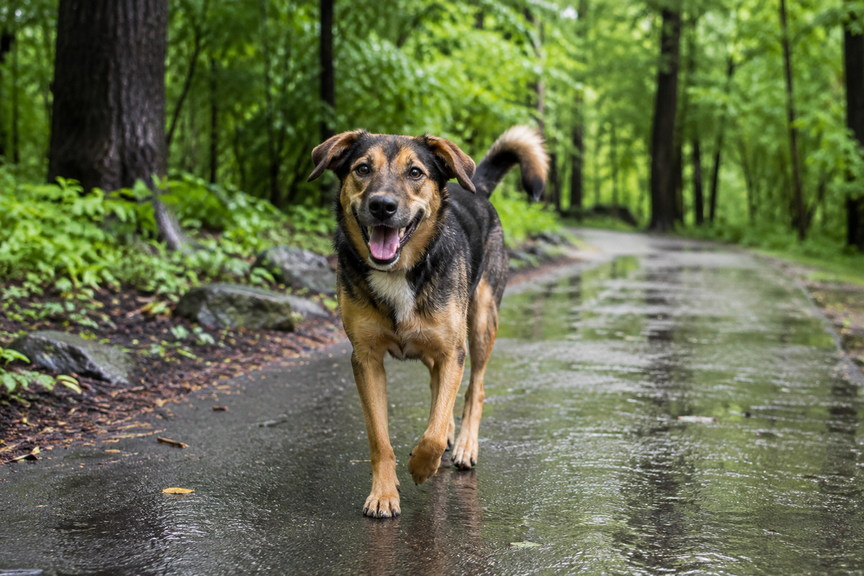
Leptospirosis is a bacterial infection caused by Leptospira bacteria. Unlike viruses, these bacteria survive in warm, moist environments and can contaminate puddles, standing water, damp soil, and other outdoor areas after being shed in the urine of infected wildlife or rodents. Dogs become infected when the bacteria enter through the mouth, nose, eyes, or even small cuts in the skin.
Although leptospirosis was once associated mainly with rural or hunting dogs, we now know that any dog exposed to parks, neighborhoods, backyards, walking trails, or areas visited by wildlife can be at risk. Because the disease can be severe—and because it can also infect people—routine vaccination has become an important part of preventive care for many dogs.
Why We Recommend the Leptospirosis Vaccine
Leptospirosis can cause sudden kidney failure, liver disease, fever, vomiting, dehydration, and, in severe cases, death. Because infected dogs may also spread the bacteria to people through their urine, vaccination helps protect both your pet and your family.
At Pet Wellness Veterinary Center, we follow current American Animal Hospital Association (AAHA) vaccination guidelines, which classify leptospirosis as a core vaccine due to the widespread nature of the disease and the benefits of routine protection.
Frequently Asked Questions
- My dog only goes on neighborhood walks. Do they still need this vaccine? Probably yes. Wildlife and rodents frequently travel through neighborhoods, parks, and backyards, making exposure possible even for dogs that never visit farms or wooded areas.
- Can indoor dogs get leptospirosis? Dogs that rarely go outside generally have a much lower risk, but any dog that spends time outdoors—even briefly—may be exposed to contaminated environments.
- Is leptospirosis contagious to people? Yes. Leptospirosis is considered a zoonotic disease, meaning it can spread from animals to people. Vaccination helps reduce your dog’s risk of infection and supports overall public health.